
Finding the right contractor can feel overwhelming, especially when you’re dealing with something as important as your home’s exterior. After decades of working with homeowners and contractors, we’ve seen what makes the difference between a great experience and a nightmare. The good news? Most contractors are honest, skilled professionals who want to do good work. The key is knowing how to identify them and avoid the few who aren’t.
Here’s your step-by-step guide to finding contractors you can trust and getting the work done right.
Before You Start: Know What You Need
Get clear on your project scope. Before you start calling contractors, have a good understanding of what you think needs to be done. You don’t need to be an expert, but knowing whether you’re looking at repair, partial replacement, or full replacement helps contractors give you better estimates.
Understand your timeline. Are you dealing with an emergency that needs immediate attention, or can you plan ahead and take your time? Emergency situations limit your options, while planned projects give you time to research and compare.
Set a realistic budget range. You don’t need to share your exact budget with contractors, but having a realistic range in mind helps you evaluate whether quotes make sense. If every quote is way above what you expected, you might need to adjust your expectations or your scope.
Finding Contractors: Where to Look
Start with referrals from people you trust. Ask friends, neighbors, and family members about contractors they’ve used for similar work. Personal referrals from people who’ve actually worked with a contractor are worth more than any advertising.
Check with local suppliers. We work with contractors regularly and often know who does quality work in your area. We see the results of different contractors’ work and can often point you toward professionals who consistently do good work. If you call any of our locations, we keep a list of contractors in each area that we can share based on feedback we get in the field from other homeowners and our sales team’s experiences.
Use online resources carefully. Websites like Angie’s List, HomeAdvisor, and Google Reviews can be helpful, but remember that online reviews can be manipulated. Look for patterns in reviews rather than focusing on individual comments.
Drive around your neighborhood. If you see exterior work being done that looks good, stop and ask the homeowner about their experience. Most people are happy to share their thoughts about contractors they’ve worked with.
The Initial Contact: What to Expect
Good contractors will ask questions. When you call, a professional contractor should ask about your project, your timeline, and your concerns. They should want to understand what you’re trying to accomplish before they commit to coming out for an estimate.
They should be willing to schedule a convenient time. While contractors are busy, they should be able to work with your schedule for estimates. Be wary of anyone who insists on coming over immediately or pressures you to meet at inconvenient times.
Professional communication matters. Pay attention to how contractors communicate from the first phone call. Are they professional? Do they return calls when they say they will? Do they show up on time for appointments? These early interactions often predict how the whole project will go.
The Estimate Process: What Good Contractors Do
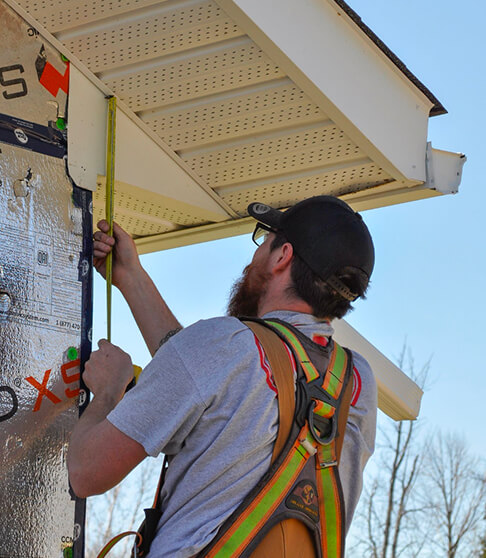
They inspect thoroughly. A good contractor will spend time actually looking at your home, not just glancing at it from the driveway. They should be willing to safely show you what they’re seeing and explain why they’re recommending certain solutions.
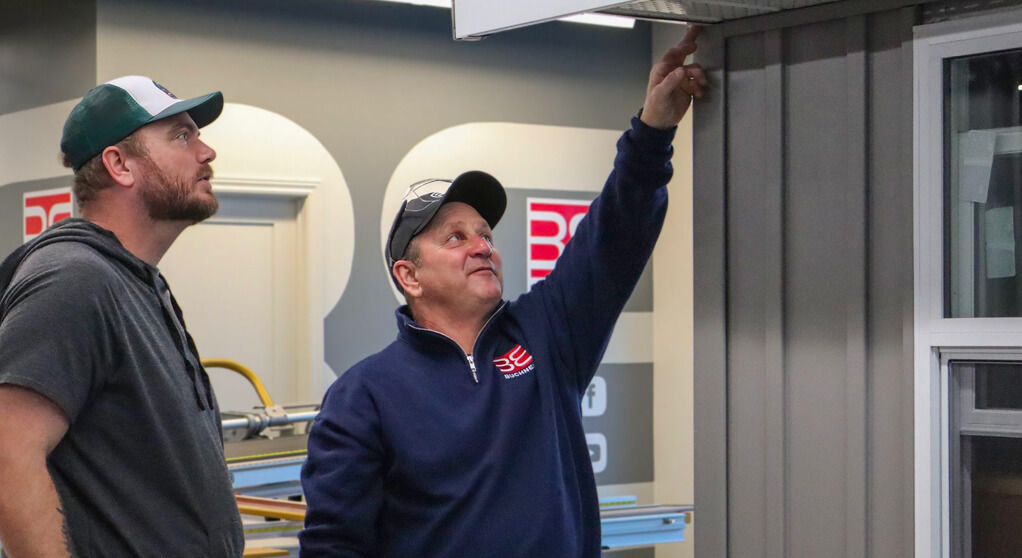
They explain their recommendations. Professional contractors will explain what they found, why it’s a problem, and how their proposed solution addresses your specific situation. They should be able to answer your questions in terms you can understand.
They provide detailed written estimates. Good estimates specify materials, labor, timeline, and total cost. They should be clear about what’s included and what isn’t. Vague estimates that just give a total price are red flags.
They offer options when possible. Most projects have different approaches with different costs. Good contractors will often present you with options-maybe a basic solution, a better solution, and a premium solution-so you can choose what fits your needs and budget.
They don’t pressure you to decide immediately. Professional contractors understand that exterior work is a significant investment. They should give you time to review their proposal and compare it with others.
Red Flags: Warning Signs to Avoid
Door-to-door sales, especially after storms. Legitimate contractors don’t need to go door-to-door looking for work. Storm chasers often do poor work, take your money, and disappear when problems arise.
Demands for full payment upfront. Never pay the full amount before work is completed. Most legitimate contractors ask for a small deposit to start, with the balance due upon completion.
Estimates that are dramatically different from others. If one estimate is much higher or much lower than others, find out why. There might be a good reason, but it’s worth understanding the difference.
High-pressure sales tactics. Be wary of contractors who insist you need to sign immediately, claim they have materials left over from another job, or say the price is only good if you sign today.
No local references or permanent business address. Contractors should be able to provide recent local references and have a permanent business address. Be cautious of contractors who only have cell phone numbers or P.O. boxes.
Unwillingness to explain their recommendations. If a contractor can’t or won’t explain why they’re recommending certain solutions, that’s a red flag. Good contractors should be able to educate you about your options.
Checking Credentials: Do Your Homework
Verify licensing and insurance. Make sure contractors have the proper licenses for your area and carry both liability insurance and workers’ compensation. Ask to see certificates and verify them with the insurance companies.
Check references thoroughly. Don’t just ask for references-actually call them. Ask about the quality of work, whether the project was completed on time and on budget, how the contractor handled any problems that came up, and whether they would hire the contractor again.
Look up their business record. Check with the Better Business Bureau, and local consumer protection agencies to see if there are any complaints or issues.
Verify their relationship with suppliers. Established contractors have relationships with suppliers like us. We can often tell you about a contractor’s reputation and account history, which says a lot about how they run their business.
Understanding Estimates and Contracts
Compare apples to apples. When you get multiple estimates, make sure they’re for the same scope of work. If one contractor is proposing different materials or a different approach, understand why and how that affects the price.
Ask about material specifications. Not all materials are created equal. Make sure you understand what specific products the contractor is proposing and why. At Buchner, we’re always happy to explain the differences between our products and help you understand what you’re getting.
Understand the timeline. Good contractors should be able to give you a realistic timeline for your project and explain factors that might affect it (weather, material availability, etc.).
Know what’s included. Make sure you understand what’s included in the price-materials, labor, cleanup, disposal of old materials, permits if needed. Also understand what’s not included so there are no surprises.
Get everything in writing. Once you’ve chosen a contractor, make sure all the details are in a written contract before work begins. This protects both you and the contractor.

Working with Your Contractor
Maintain open communication. Good contractors will keep you informed about progress, any issues that come up, and any changes that might be needed. Don’t hesitate to ask questions or express concerns.
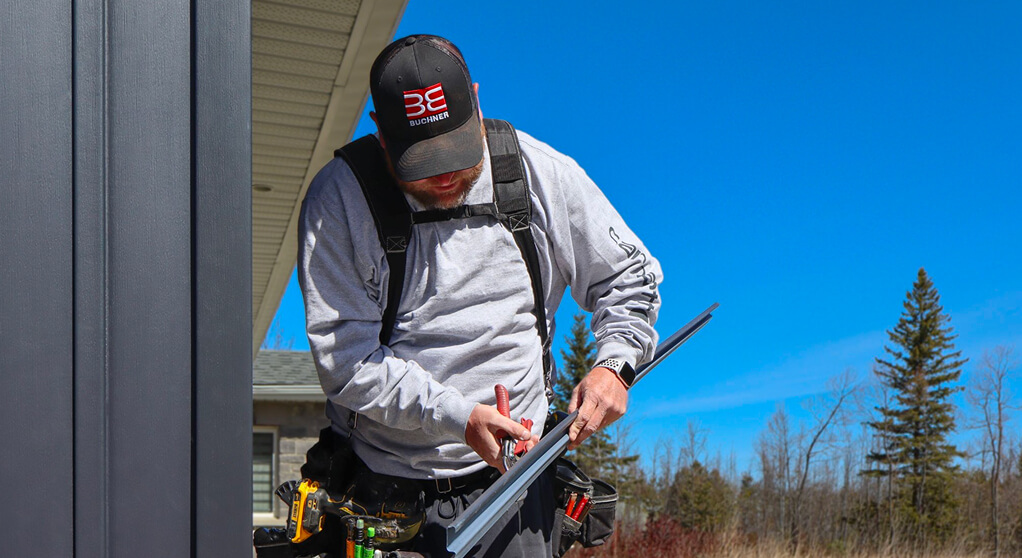
Expect professionalism. Contractors should show up when scheduled, keep the work area reasonably clean, and treat your property with respect. They should also be willing to address any concerns you have during the project.
Understand that changes happen. Sometimes contractors discover issues that weren’t visible during the initial inspection. Good contractors will explain what they found, why it needs to be addressed, and how it affects the timeline and cost before proceeding.
Hold final payment until completion. It’s normal to make progress payments during larger projects, but hold a significant portion (usually 10-20%) until the work is completely finished and you’re satisfied with the results.
Warranties and Follow-up
Understand warranty coverage. There are usually two types of warranties-material warranties from manufacturers and workmanship warranties from contractors. Make sure you understand what’s covered by each and for how long.
Keep documentation. Save all contracts, receipts, warranty information, and photos of the completed work. This documentation is important for warranty claims and future maintenance.
Expect reasonable follow-up. Good contractors will check back with you after completion to make sure you’re satisfied and address any issues that might come up during the warranty period.
Special Considerations for Different Types of Work
Roofing projects often require permits and have specific safety requirements. Make sure your contractor is experienced with your type of roofing and understands local building codes.
Siding projects require attention to insulation, moisture barriers, and proper installation techniques. The contractor should understand how siding integrates with other exterior components.
Gutter work might seem simple, but proper sizing, slope, and installation are critical for performance. Make sure your contractor understands your home’s specific drainage needs.
The Buchner Advantage
At Buchner Manufacturing, we work with contractors throughout our market area and see the results of their work regularly. We know which contractors consistently do quality installations and stand behind their work. We’re always happy to discuss contractors in your area and help you understand what to look for.
We also provide training and support to contractors who work with our products, so contractors who are familiar with Buchner products often have additional expertise and support available to them.

Making Your Final Decision
Don’t automatically choose the lowest bid. The cheapest option often becomes the most expensive when you factor in callbacks, warranty issues, and the need to redo work that wasn’t done right the first time.
Consider the total value. Look at the combination of price, materials, contractor reputation, warranty coverage, and your comfort level with the contractor.
Trust your instincts. If something doesn’t feel right about a contractor or their proposal, keep looking. You should feel confident about both the contractor and the solution they’re proposing.
Remember this is a relationship. You’re not just buying a product-you’re entering into a relationship with someone who will be working on your home. Choose someone you feel comfortable communicating with and who you trust to do the job right.
The right contractor will make your exterior project a positive experience that protects and improves your home for years to come. Take the time to choose wisely, and don’t be afraid to ask questions throughout the process.