
A little maintenance goes a long way when it comes to your home’s exterior. The good news? Most of what you need to do is pretty straightforward and doesn’t require special tools or expertise. By staying on top of basic maintenance, you can catch small problems before they become big ones, extend the life of your exterior components, and save money in the long run.
Here’s your season-by-season guide to keeping everything in great shape.
Spring Maintenance (April – May)
Time to assess winter damage and prepare for the active season

After the Snow Melts: Your First Priority
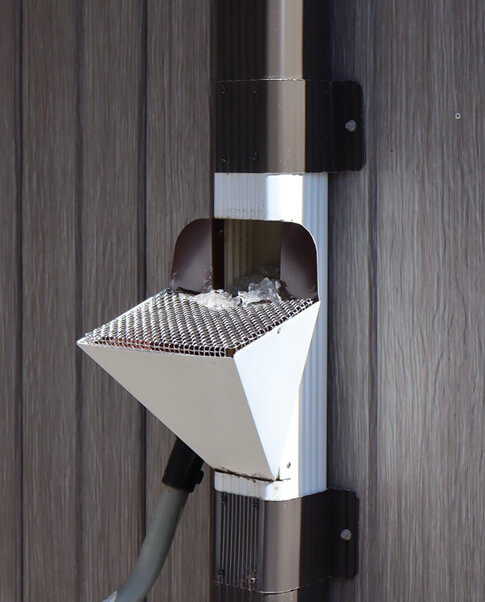
Clean your gutters and downspouts thoroughly. Winter leaves behind debris, and spring rains will test your drainage system. Remove all leaves, twigs, and any ice or snow that might still be lingering. Check that water flows freely through downspouts-if it doesn’t, you might have a clog that needs clearing.
Inspect for winter damage. Walk around your house and look for any damage from winter weather. Check for loose or damaged siding, especially near the ground where freeze-thaw cycles can cause problems. Look for any shingles that might have been damaged by ice or wind. Pay attention to areas where ice dams might have formed.
Check your soffit vents. Make sure they’re not blocked by debris, bird nests, or leftover snow. Good attic ventilation is crucial for preventing moisture problems and keeping your cooling costs down in summer.
Examine caulking and sealing. Look at the caulking around windows, doors, and any other joints in your exterior. Winter weather can cause caulking to crack or pull away. Small gaps might not seem like much, but they can let moisture in where it doesn’t belong.
Test your downspout extensions. Make sure they’re still in place and directing water at least 6 feet away from your foundation. Winter snow removal and spring cleanup sometimes move these extensions, and you want them working properly before spring rains arrive.
Spring Cleaning That Protects Your Investment
Wash your siding gently. Use a garden hose or pressure washer on a low setting to remove winter grime. Be careful around windows and don’t use too much pressure-you want to clean, not damage. Different siding materials have different cleaning requirements, so check what’s recommended for your specific type.
Trim vegetation away from your house. Plants grow quickly in spring, and you don’t want them touching your siding or blocking your soffit vents. Keep bushes and trees trimmed back at least 18 inches from your house to allow air circulation and prevent moisture problems.
Check your roof from the ground. You don’t need to get on your roof, but you can see a lot from the ground with binoculars. Look for any obvious damage, missing shingles, or areas where flashing might have come loose.
Summer Maintenance (June – August)
The best time for major maintenance and keeping everything clean

Taking Advantage of Good Weather
This is prime time for any repairs or improvements. Summer weather gives contractors the best conditions for exterior work, so if you identified any problems during your spring inspection, summer is usually the best time to address them.
Monitor your cooling costs. If your air conditioning bills seem higher than usual, poor attic ventilation might be the culprit. Make sure your soffit vents are clear and working properly. Good ventilation can significantly reduce cooling costs.
Keep vegetation under control. Summer growth can be aggressive. Continue trimming plants away from your house and make sure nothing is blocking gutters or vents. Also watch for any signs of pest activity-summer is when many insects and small animals look for ways into your home.
Watch for UV damage. Summer sun can be hard on exterior materials. Look for any signs of fading, cracking, or other UV damage, especially on south-facing surfaces. While some fading is normal, excessive damage might indicate that materials are reaching the end of their useful life.
Summer Storm Preparation
Check your gutters before storm season. Summer thunderstorms can dump a lot of water quickly. Make sure your gutters are clean and properly sloped toward downspouts. Check that gutter hangers are secure-loose gutters can be damaged by the weight of heavy rain.
Secure any loose exterior elements. High winds can damage loose siding, fascia, or trim. If you notice anything that seems loose or wobbly, get it secured before storm season hits hard. After each major storm, do a quick inspection. Look for any new damage, especially to roofing and gutters. Summer storms can be severe, and catching damage early prevents bigger problems.
Fall Maintenance (September – November)
Preparing for winter and dealing with falling leaves
The Big Fall Cleanup
Clean gutters again after leaves fall. This is probably the most important fall maintenance task. Clogged gutters can cause ice dams in winter, which can damage your roof, gutters, and even your home’s interior. Don’t just clean them once-you might need to clean them multiple times as different trees drop their leaves.
Check that soffit vents aren’t blocked. Falling leaves can block these vents, which is a problem heading into winter. Poor attic ventilation contributes to ice dam formation and can cause moisture problems.
Inspect everything before winter. Fall is your last chance to address problems before winter weather makes repairs difficult and expensive. Look for any damage that developed over the summer and get it fixed before cold weather arrives.
Prepare your drainage system. Make sure downspout extensions are in place and directing water away from your foundation. Check that the ground around your foundation slopes away from the house. Standing water that freezes can cause foundation problems.
Getting Ready for Cold Weather
Check for air leaks. Look for any gaps or cracks where cold air might get in. Pay attention to areas where different materials meet-these are common spots for air leaks to develop.
Secure everything that might be affected by winter weather. Make sure all exterior elements are properly attached and won’t be damaged by snow, ice, or winter winds.
Consider winter protection for vulnerable areas. If you have areas that are particularly susceptible to ice dam formation, fall is the time to address ventilation or insulation issues that contribute to the problem.
Winter Maintenance (December – March)
Staying Vigilant During the Tough Season
Keep an eye out for ice dams. These form when warm air from your house melts snow on your roof, which then refreezes at the cold edges. Ice dams can cause water to back up under your shingles and into your house. If you see large icicles or ice buildup along your roof edge, you might have an ice dam forming.
Safely remove snow from gutters if they’re overloaded. Heavy snow can put a lot of weight on gutters and cause them to sag or pull away from the house. If you can safely reach them from the ground, gently remove excess snow. Never try to remove ice-you’re more likely to damage the gutters than help them.
Watch for icicles and what they tell you. A few small icicles are normal, but large icicles or extensive ice buildup often indicates ventilation or insulation problems that should be addressed when weather permits.
Don’t ignore small problems. Winter weather can turn small problems into big ones quickly. If you notice anything that seems wrong, don’t wait until spring to address it-winter damage often gets worse if left alone.
Indoor Signs of Exterior Problems
Watch for water stains or leaks. Winter is when exterior problems often show up inside your house. Any signs of water intrusion should be investigated immediately, even if the weather makes exterior repairs difficult.
Monitor your heating costs. If your heating bills seem unusually high, you might have air leaks or insulation problems that are letting warm air escape. While you might not be able to fix everything immediately, you can identify problems to address when weather improves.
Pay attention to humidity levels. Excessive humidity or condensation problems can indicate ventilation issues that need attention.
Year-Round Maintenance Tips
Things to Keep in Mind All Season Long
Document what you find. Take photos of any problems you discover during your inspections. This helps you track whether problems are getting worse and provides useful information for contractors if you need professional help.
Keep maintenance records. Note when you clean gutters, when you last had your roof inspected, and when various components were installed or repaired. This information helps you plan future maintenance and can be valuable if warranty issues arise.
Don’t put off small repairs. Small problems almost always become bigger problems if left alone. A loose piece of siding or a small roof leak can cause thousands of dollars in damage if ignored.
Know your limits. While homeowners can safely do most basic maintenance, know when to call professionals. Working on roofs, dealing with electrical issues, or making structural repairs should be left to qualified contractors.
Building Relationships with Professionals
Establish relationships before you need them. Find reliable contractors for different types of work before you have emergencies. Having trusted professionals you can call makes dealing with problems much less stressful.
Schedule regular professional inspections. Even if you do your own basic maintenance, having professionals inspect your roof, gutters, and other components every few years can catch problems you might miss.
Ask questions and learn. When you do have professionals working on your home, ask questions about what they’re doing and what you should watch for. Most contractors are happy to educate homeowners about their systems.
The Investment Perspective
Maintenance is much cheaper than replacement. The cost of regular maintenance is a fraction of what you’d spend on emergency repairs or premature replacement of exterior components.
Good maintenance protects your home’s value. A well-maintained exterior not only protects your investment but can actually increase your home’s value when it comes time to sell.
Prevention prevents emergencies. Regular maintenance helps you avoid the stress and expense of dealing with emergency repairs during bad weather or at inconvenient times.
Quality materials make maintenance easier. When it is time to replace components, investing in quality materials like those from Buchner Manufacturing can reduce your maintenance requirements and extend the time between replacements.
Remember, you don’t have to do everything at once or become an expert overnight. Start with the basics and build your maintenance routine over time. The most important thing is to stay aware of your home’s condition and address problems before they become emergencies.